
Why Talk Therapy Alone Isn't Working for High-Achieving Professionals — And What to Try Instead
You've done the work. You've named the patterns, traced the wounds, and built real insight into why you are the way you are. And yet — something still feels stuck. The anxiety still spikes. The disconnection is still there. The exhaustion doesn't lift no matter how well you understand it. If this sounds familiar, you're not failing at therapy. You may simply have hit the ceiling of what talking alone can reach.
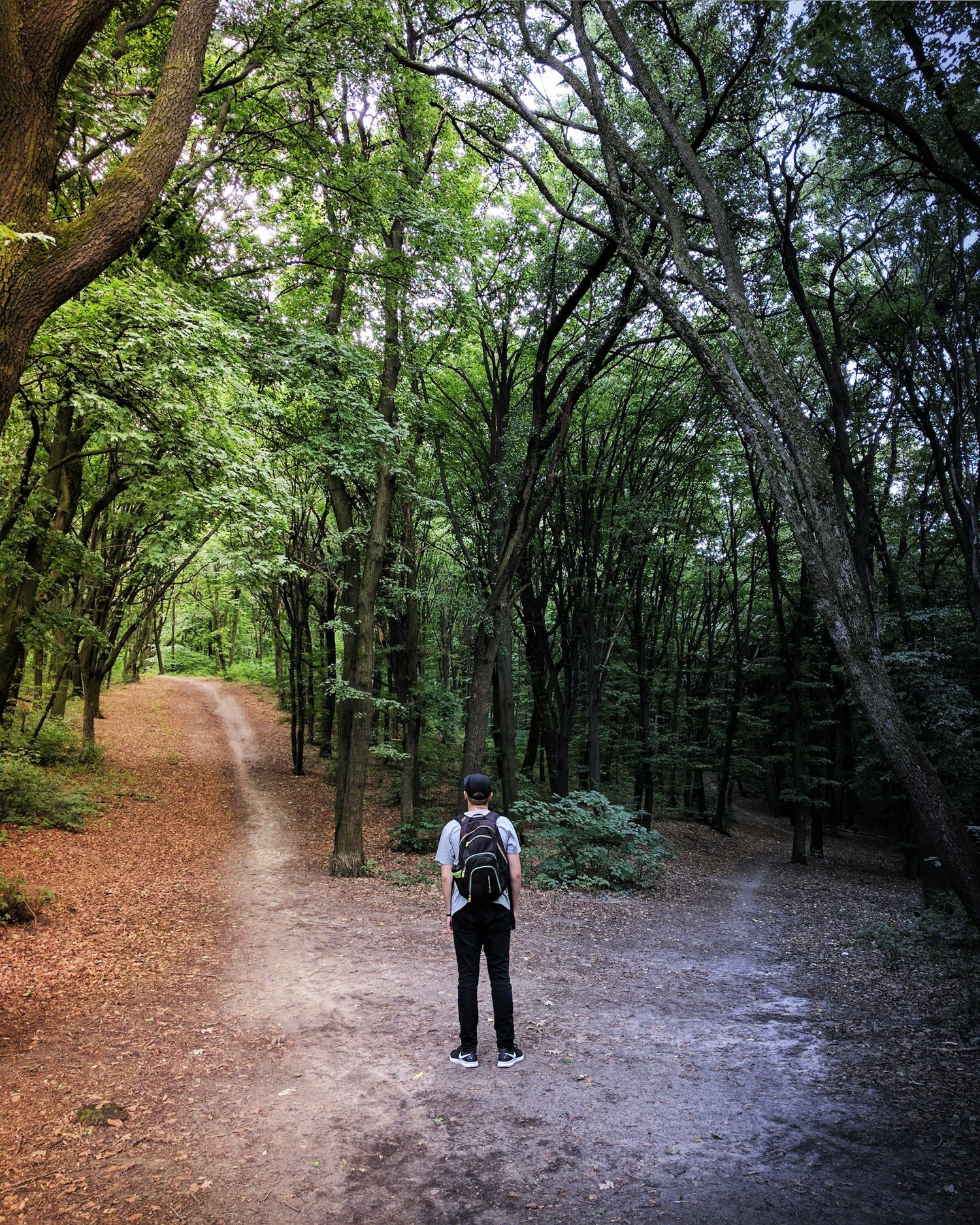
Why Being a Multi-Passionate Person Is a Strength: Reflections from a Therapist
Growing up, I always heard I should choose one career and stick to it. But that never felt right. I was interested in many things—art, psychology, music, and healing. When I moved to Los Angeles and saw others who embraced multiple passions, I realized I could do the same. Now, as a therapist, I help others embrace their varied interests and live fulfilling lives without limits.

11 Unique Benefits of Virtual Therapy for Highly Sensitive and Neurodiverse Californians
Everyday life can be hard for highly sensitive and neurodiverse individuals in California. From personal experience, I’ve spent an hour and a half on the bus each way, made three transfers, dealt with LA traffic and parking issues, and climbed five flights of stairs to get to my therapist’s office. Some therapy spaces felt warm and welcoming, while others felt uninviting and confusing. For neurodiverse and highly sensitive people living in busy cities like Los Angeles, San Francisco, and San Diego, standard in-person therapy can often seem overwhelming, hard to access, or just not right for us.